
decorative frosted glass
The Vital Role of Truss Nail Plates in Structural Integrity In the intricate world of construction and engineering, every component plays a crucial role in ensuring the stability and longevity of structures. Among these components, truss nail plates stand out as indispensable elements in the fabrication of timber trusses, significantly contributing to the overall strength and reliability of roofs and floors in residential, commercial, and industrial buildings. These small yet powerful connectors are a testament to the adage that great things often come in small packages. Truss nail plates, also known as truss plates or metal connector plates, are flat sheets of galvanized or stainless steel punched with rows of sharp teeth designed to penetrate and securely fasten wooden members together. Their primary function is to transfer loads efficiently from one timber piece to another within a truss system, thereby enhancing the structure's load-bearing capabilities and resistance to shear and tension forces. The Technology Behind Truss Nail Plates The development and widespread adoption of truss nail plates revolutionized timber construction. Prior to their introduction, traditional joinery methods like mortise-and-tenon or dovetail joints were commonly used, which were time-consuming and required high levels of craftsmanship. Truss plates, on the other hand, offer a more efficient and cost-effective solution, allowing for faster assembly and consistent quality control. Modern manufacturing processes employ precise machinery to punch and shape the metal into plates with specific patterns tailored to the type and size of the truss being constructed. Galvanization ensures corrosion resistance, prolonging the life of the truss and minimizing maintenance requirements. Advanced engineering software now enables designers to optimize plate placement for maximum structural efficiency, taking into account factors such as wood species, load requirements, and environmental conditions. Importance in Structural Integrity Truss nail plates play a pivotal role in maintaining the structural integrity of timber trusses by addressing several key aspects 1. **Strength and Stability** By evenly distributing loads across the connected timbers, they enhance the truss's ability to withstand various forces, including wind loads, snow loads, and even seismic activity, depending on the design specifications. 2. **Rigidity** The plates increase the rigidity of the joint, reducing the likelihood of deflection under load, which is crucial for maintaining the shape and alignment of the roof or floor system over time **Rigidity** The plates increase the rigidity of the joint, reducing the likelihood of deflection under load, which is crucial for maintaining the shape and alignment of the roof or floor system over time **Rigidity** The plates increase the rigidity of the joint, reducing the likelihood of deflection under load, which is crucial for maintaining the shape and alignment of the roof or floor system over time **Rigidity** The plates increase the rigidity of the joint, reducing the likelihood of deflection under load, which is crucial for maintaining the shape and alignment of the roof or floor system over time truss nail plates . 3. **Ease of Assembly** Prefabricated truss systems utilizing nail plates simplify and speed up on-site construction, as they can be quickly assembled using pneumatic nail guns, reducing labor costs and construction time. 4. **Versatility** Truss nail plates accommodate a wide range of truss configurations, from simple king post trusses to complex scissors trusses, enabling architects and engineers to design structures that are both functional and aesthetically pleasing. 5. **Economy** Compared to traditional joinery techniques, truss plates offer a more cost-effective solution without compromising on structural performance, making them a popular choice in modern construction practices. Safety Considerations While truss nail plates provide numerous benefits, their effective use relies heavily on adherence to strict design standards and installation guidelines. Improper placement, incorrect nailing patterns, or using substandard plates can compromise the structural integrity of the truss, potentially leading to failures. Regular inspections and quality control measures during manufacturing and on-site assembly are essential to ensure compliance with building codes and safety standards. In conclusion, truss nail plates are a testament to the synergy of innovation and tradition in construction. These humble yet highly effective components have transformed the way we build, making timber structures stronger, more efficient, and more versatile than ever before. As construction technologies continue to advance, the role of truss nail plates in ensuring the safety and longevity of our built environment remains a cornerstone of modern engineering practice.
about
decorative frosted glass
Understanding Thread Ring Gauges Importance and Applications Thread ring gauges are precision measuring tools used predominantly in manufacturing industries to ensure the accuracy and quality of threaded components. These gauges are meticulously designed and manufactured to check the external and internal threads of screws, bolts, and other fasteners. The significance of thread ring gauges lies primarily in their ability to maintain the integrity of threads, which is crucial for ensuring proper assembly and functionality of mechanical components. What is a Thread Ring Gauge? A thread ring gauge is a circular gauge that is used to measure the external threads of a male component. It typically features a cylindrical shape with a defined thread profile that matches the standardization of various thread types, such as metric or imperial threads. The two primary types of thread ring gauges are the go gauge and the no-go gauge. The go gauge confirms that the dimensions and profile of the threaded component are within acceptable limits, while the no-go gauge ensures that the dimensions do not exceed tolerances. Importance of Thread Ring Gauges 1. Quality Control In industries where precision is paramount, thread ring gauges are indispensable for quality control processes . They help detect defects in threaded parts early in the manufacturing process, minimizing the risk of defective products reaching the end-user. This proactive approach to quality control ultimately reduces waste and increases efficiency. 2. Interchangeability Threaded components are often required to be interchangeable across different applications. By using standard gauges, manufacturers can ensure that their threaded products meet specific requirements, allowing them to be compatible with fasteners, fittings, or other mechanical parts from different manufacturers. This interchangeability is essential in assembly lines where consistency and reliability are required. 3. Regulatory Compliance Many industries, especially aerospace, automotive, and construction, are subject to strict regulatory standards. The use of thread ring gauges helps manufacturers comply with these regulations by ensuring that their products meet required specifications and safety standards. Regular inspections using these gauges can help avoid costly recalls and legal issues. thread ring gauge 4. Longevity and Performance Threads that are not properly dimensionsed can lead to malfunctioning assemblies, causing costly downtime and failures. Using thread ring gauges helps maintain the integrity of the threads, ensuring that products perform effectively throughout their intended lifespan. In critical applications, this reliability can be the difference between safety and potential catastrophe. Applications of Thread Ring Gauges Thread ring gauges are used in various sectors, including - Manufacturing In factories, thread ring gauges play a key role in monitoring and verifying the quality of threaded products being produced. They are an integral part of machining processes where precise thread dimensions are required. - Automotive Industry In the production of vehicles, many components rely on threaded parts. Thread ring gauges are used to ensure that these components will fit together securely, contributing to the overall safety and performance of the vehicle. - Aerospace The aerospace industry demands the highest precision, especially in components that must withstand extreme conditions. Thread ring gauges help ensure that the critical parts used in aircraft are up to standard. - Construction In construction, threaded components such as bolts and screws are essential for structural integrity. Thread ring gauges help guarantee that these components meet the necessary specifications to ensure the safety of buildings and infrastructure. Conclusion In summary, thread ring gauges are vital tools in today's manufacturing landscape. Their role in quality control, interchangeability, regulatory compliance, and overall product reliability underscores their significance in various industries. By investing in high-quality thread ring gauges and adhering to best practices in their usage, manufacturers can enhance their production processes, ensuring that they deliver reliable and safe products to the market. As technology continues to evolve, the precision and capabilities of these gauges will likely advance, further solidifying their role in modern manufacturing excellence.
-

High quality industrial productsagement

High quality industrial products
View Details -

Meet the diverse needs of customers

Meet the diverse needs of customers
View Details -

Strict quality control

Strict quality control
View Details -

Top raw materials

Top raw materials
View Details -

Trusted supplier

Trusted supplier
View Details
Our application
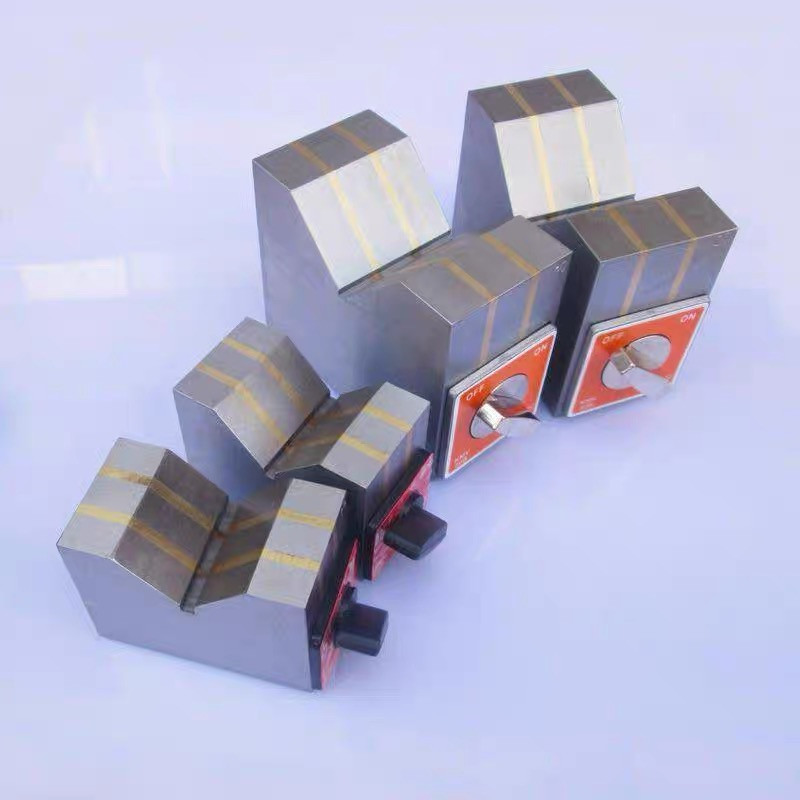
news and information
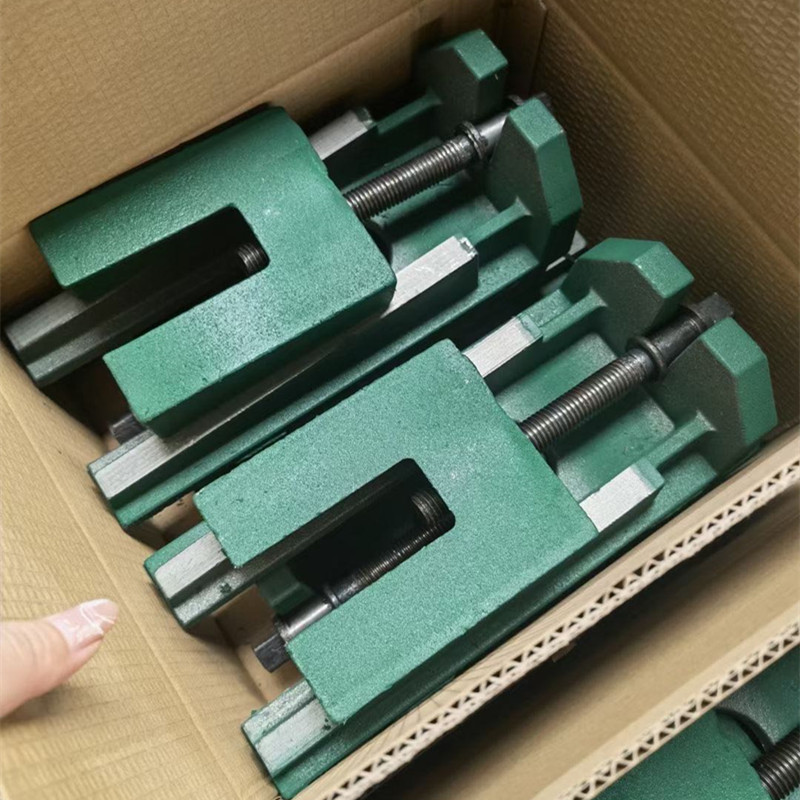
vandkontrolventil 3 4
Vandprocent Tjekventil 3/4 En Nødvendighed i VVS-Installationer I enhver VVS-installation er der ele
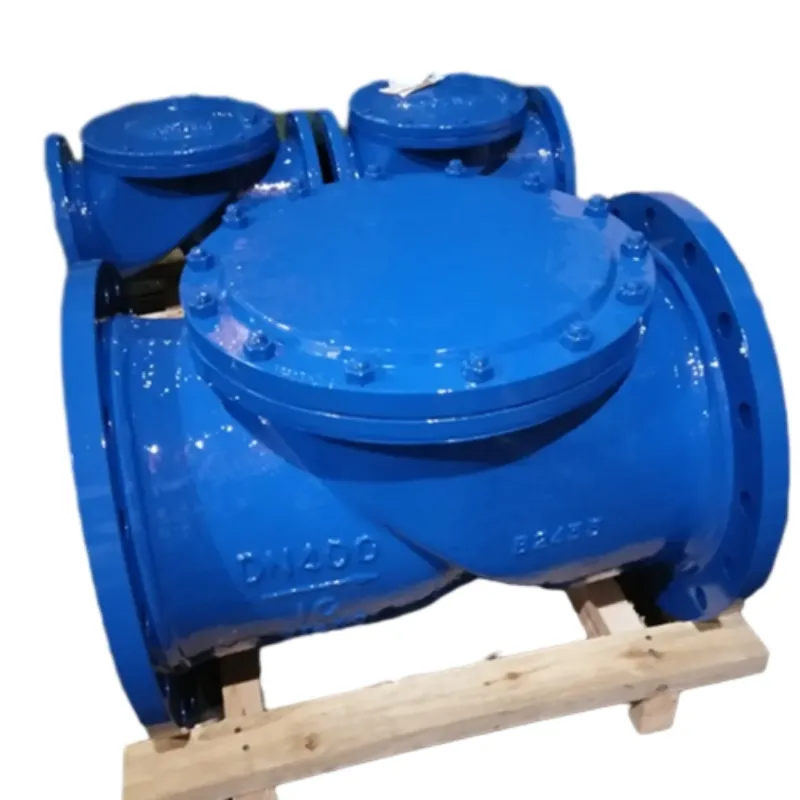
Valve Manufacturing Techniques for Enhanced Efficiency and Quality Control
valve factory .
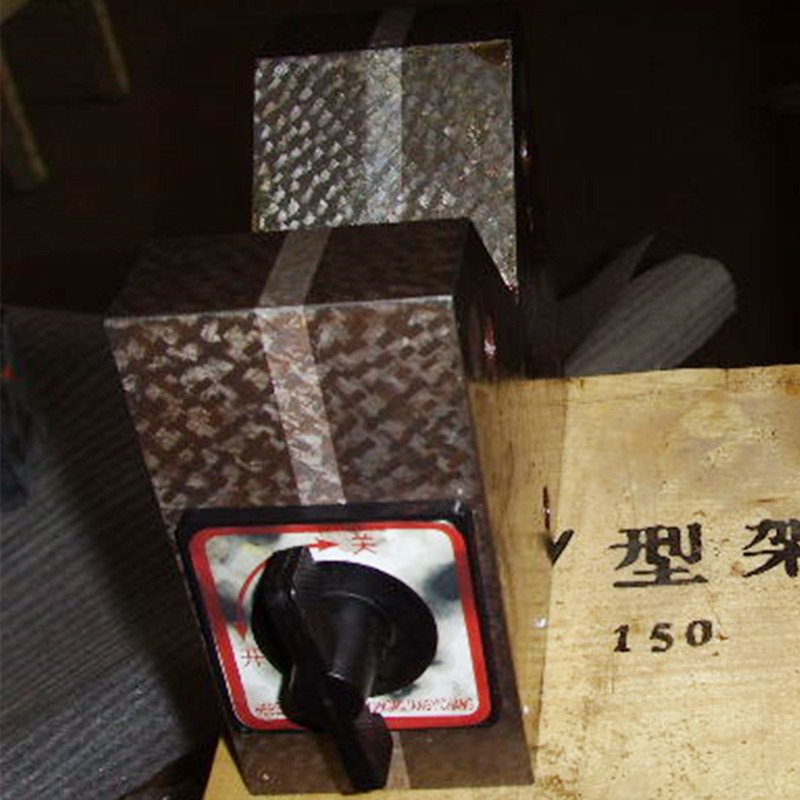
Van cổng
Van cổng, hay còn được gọi là van xẻng, là một trong những thiết bị quan trọng trong hệ thống đường
 English